
Solar Panel Cleaning and Maintenance in the Imperial Valley: A Homeowner’s Guide
An Imperial Valley property-care owner explains how to monitor your solar system, recognize dust buildup, choose safe cleaning and plan maintenance.
Jump to a section
The short version
- Check your solar monitoring and visible panel condition together; a production drop is not automatically a cleaning problem.
- Use a spring and fall maintenance review as a starting point, adjusting for wind, nearby agriculture and the condition of your array.
- Follow your specific panel manufacturer's cleaning guidance, and keep roof access and electrical repairs in qualified hands.
You spent a considerable amount of money putting solar panels on your house, and I suspect that once the installation was complete, you were hoping you wouldn’t have to think about them very often. That’s reasonable. Solar is supposed to make your life easier, not give you another household chore.
But living in the Imperial Valley complicates things a little. We have dust, agricultural activity, wind, long periods without meaningful rain and very hot summers. A rooftop in El Centro might collect dirt differently from one near open fields in Imperial or Holtville.
I own a company that cleans solar panels, so you might expect me to tell you that you should have them cleaned every month. I wouldn’t. I would rather you understand what you’re maintaining, why it matters and when paying us to clean your panels actually makes sense.
Cleaning is only one part of solar maintenance
Solar panels generate electricity. Cleaning the glass removes certain kinds of material that can prevent sunlight from reaching the cells, but it doesn’t fix a damaged module, an inverter fault, shading or a problem with your monitoring system.
That’s an important distinction when you notice your production has changed. I would start with the monitoring app and the condition of the property, not immediately with a cleaning appointment.
Your solar installer or equipment provider should handle electrical diagnosis and repairs. Our role at Mr. Juniper is surface cleaning and safe-access assessment, not diagnosing or repairing electrical faults.
What collects on solar panels in the Imperial Valley?
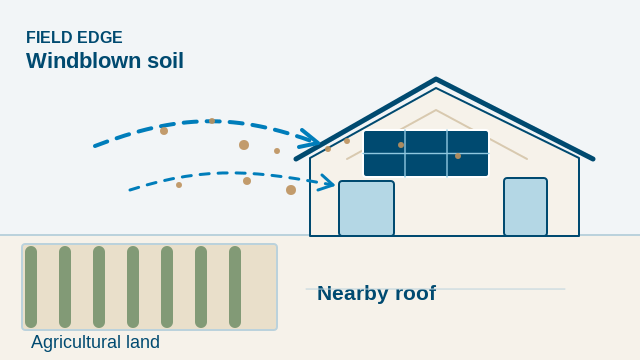
Ordinary dust is probably the easiest buildup to recognize. But it isn’t the only thing we need to think about.
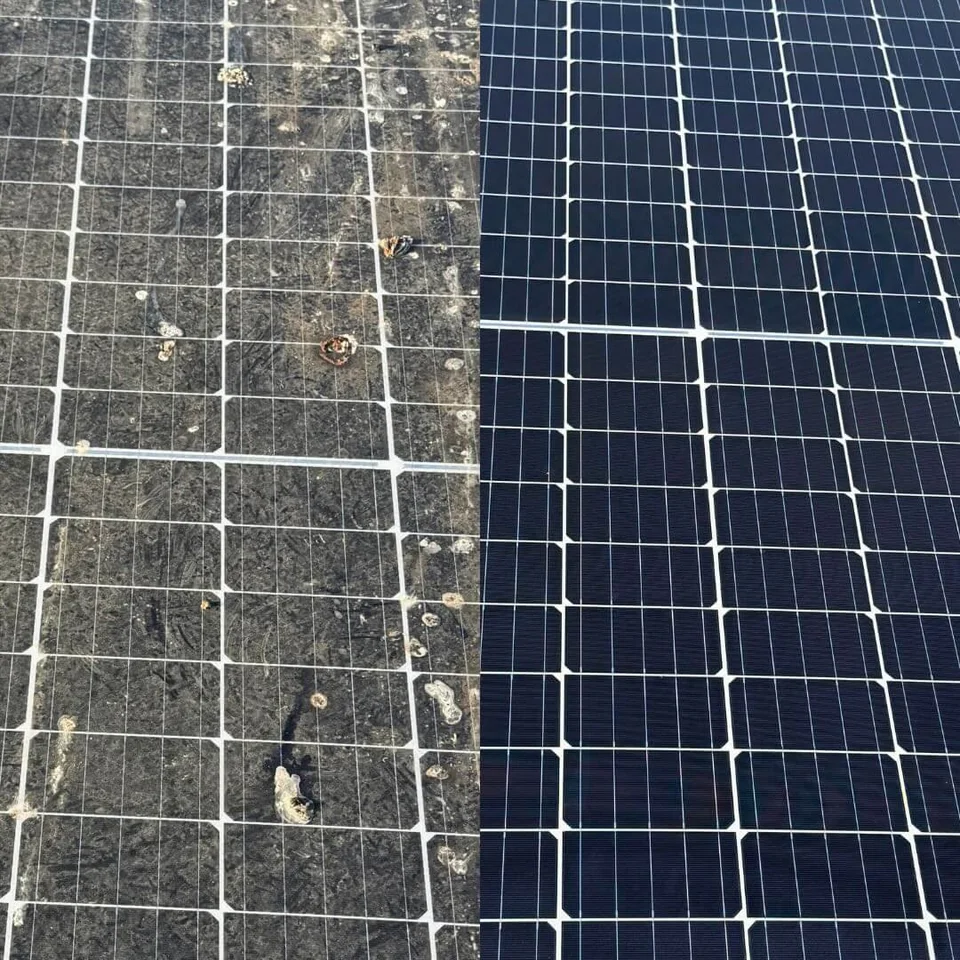
Nearby agricultural activity, construction, windblown material and birds can all affect the condition of an array. Some of that material is relatively loose; some can adhere to the surface. The angle of the panels and how much useful rain they receive also matter.
The Pacific Northwest National Laboratory’s photovoltaic maintenance guidance identifies rainfall, array tilt and air pollutants among the factors affecting cleaning frequency. That’s why two homes in the same city may need different maintenance plans.
A particularly dirty-looking panel deserves attention, but appearance alone doesn’t tell you how many kilowatt-hours you’ve lost.
How can I tell if my solar panels need cleaning?
Open your solar monitoring app and look at energy generated, usually measured in kilowatt-hours (kWh), rather than the dollar amount on your electric bill. A bill also reflects when and how much electricity you use, your rate plan and other billing arrangements.
Try comparing production on days with similar weather and at similar times of year. Changes in clouds, daylight duration, temperature and shade can affect production even when the panels are clean.
From a safe location on the ground, look for obvious buildup, bird droppings or something obstructing the panels. You don’t need to climb onto your roof to start the conversation with us.
If your monitoring app reports a fault, a section appears to have stopped producing, or there is visible physical damage, contact your solar provider. A cleaning visit is not the appropriate substitute for an electrical inspection.
How often should Imperial Valley homeowners clean their solar panels?
I like the idea of reviewing your panels in spring and fall. That doesn’t mean everyone needs precisely two cleaning visits a year. It gives you a reasonable routine for evaluating conditions instead of waiting until the panels look neglected.
Properties near fields or active construction, and those with recurring bird activity, may benefit from more frequent assessments. A relatively sheltered home with adequately clean panels may not need another visit just because six months have passed.
Our solar cleaning frequency guide goes into the scheduling question in more detail. For me, the important thing is to make the schedule fit the property.
What does proper solar panel cleaning involve?
There is a significant difference between washing a driveway and cleaning a solar panel. The tools, water, surface and electrical equipment all have to be taken into consideration.
At Mr. Juniper, we use appropriate soft tools and purified RO/DI water for routine solar glass cleaning. The water filtration helps reduce dissolved minerals that could otherwise remain on the glass as water dries. It does not magically remove every existing mineral deposit.
We don’t pressure-wash solar panels. We also review whether a property can be accessed safely, and whether the cleaning method is appropriate for the equipment. Different manufacturers have different instructions, so your particular model matters.
For example, Canadian Solar’s customer guidance recommends non-abrasive implements for soiled modules, avoiding dry scraping and washing during cooler parts of the day. That’s one manufacturer’s guidance, not permission to apply the same procedure to every array.
I wouldn’t recommend spraying cold water onto very hot panels, standing on the modules or experimenting with chemicals on an unfamiliar coating. If a surface requires treatment beyond routine cleaning, we need to understand what we’re working with before proceeding.
What about birds, roof debris and the equipment underneath?
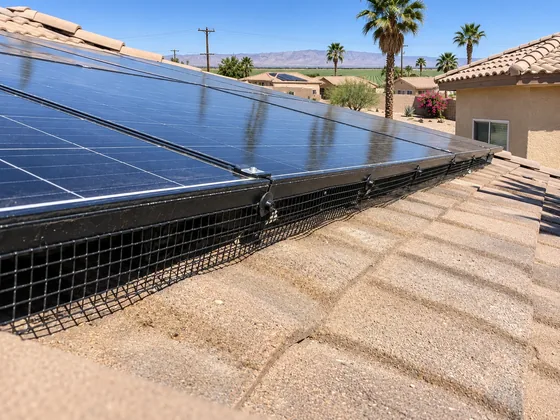
Sometimes the problem is not just on top of the glass. Birds may leave droppings or nest beneath an array. Windblown debris can collect around the roof, and vegetation can eventually change the shade reaching a panel.
Keep an eye on these conditions from the ground. If you notice nesting, displaced components, damaged wiring or anything that looks unsafe, arrange an appropriate assessment rather than reaching underneath the modules yourself.
Bird deterrence is a separate scope of work, and any proposed solution has to be compatible with the array, roof and manufacturer’s requirements. Electrical equipment and mounting repairs belong with appropriately qualified solar professionals.
Is professional solar panel cleaning worth the money?
It depends. If the only difference after a visit is a slightly better-looking panel, you may not recover the entire cleaning cost through extra electricity generation. If your array is visibly soiled and that buildup is materially reducing production, the economics can be different.
The American Solar Energy Society’s guide to photovoltaic performance and maintenance notes that some residential systems receive adequate natural cleaning from rain, while heavy dust or long dry periods can justify additional care.
I would look at the value of the expected benefit, the cost of cleaning, your access limitations and your preference for maintaining the property. I would not make a promise about a particular percentage increase without meaningful measurements.
Put together a maintenance routine you can actually follow
Keep a copy of your equipment documentation and your installer or solar provider’s contact information. Get familiar with the production app, check it periodically and pay attention to unusual changes. Take a look at the panels after significant dust events, when safe to do so from the ground.
If a professional cleans your panels, keep the date and any documentation they provide. That makes it easier to understand your property’s maintenance history instead of relying on memory.
The U.S. Department of Energy’s solar operation and maintenance guidance is written for larger systems, but its emphasis on monitoring, maintenance planning and qualified personnel is worth keeping in mind for a residential system, too.
If you’d like our help, tell us approximately how many panels you have, whether your home is one or two stories, and what you’re noticing. We can review the access and scope before recommending a visit.
We provide residential solar panel cleaning and commercial solar panel cleaning in the Imperial Valley. I’d love to help you figure out a sensible maintenance plan rather than sell you more visits than you need.
Request a solar panel cleaning estimate.
— Bryan Shaw, Owner of Mr. Juniper